Large format vs small format tiles: Which one to choose for your home?
The choice between large-format tiles and small-format tiles is crucial in interior design. Both types have distinct characteristics that can influence the aesthetics and functionality of a space. Large-format tiles are ideal for creating feelings of spaciousness, while small-format tiles allow for greater versatility in patterns and detail. This guide explores their advantages, disadvantages, and common applications.
Characteristics of Large-Format Tiles
Size and Weight
Large-format tiles typically have dimensions exceeding 60x60 cm. This considerable size allows for large surfaces to be covered continuously, creating a feeling of spaciousness and fluidity in spaces. The weight of these tiles is also notable, which means that they require special attention during handling and installation. For this reason, it is recommended to have the right equipment and qualified personnel for their installation.
Common Materials
Large-format tiles made from different materials can be found on the market, such as ceramic, porcelain and natural stone. Each of these materials offers different properties, such as water resistance and durability, which are essential for indoor and outdoor applications. Porcelain, for example, is known for its low water absorption and high stain resistance, making it a popular choice for floors and walls in humid environments.
Characteristics of Small-format Tiles
Size and Weight
Small-format tiles are defined as those that measure less than 25x25 cm. Their small size makes them easier to work with, which usually translates into easier installation compared to large-format tiles. Being lighter, they are ideal for small rooms and awkward corners where maneuverability is essential.
Common Materials
Small format tiles are available in a wide variety of materials, such as ceramic, glass, and stone mosaics. Each of these materials can have different textures and finishes that allow for various aesthetic combinations. Ceramic is common in interior spaces, while glass can be used to give an elegant and bright touch to certain environments, such as kitchens and bathrooms.
Advantages and Disadvantages of Large Format Tiles
Large format tiles offer a number of advantages that make them attractive to designers and interior designers. However, they also have some disadvantages that should be taken into account when approaching a design project.
Advantages
- Sense of Spaciousness
One of the biggest advantages of large-format tiles is the sense of spaciousness they provide to spaces. By covering larger areas with fewer pieces, a more continuous and elegant visual effect is achieved. This is especially useful in small rooms, where the aim is to maximise the perception of space. The lack of visible joints contributes to a clearer and more fluid environment, which is particularly desired in modern and minimalist environments.
- Fewer Number of Joints
Using large-format tiles reduces the number of joints required in the installation. This not only improves the aesthetics of the design, but also makes the area easier to maintain and clean. With fewer joints, the build-up of dirt and bacteria is minimised, making surfaces more hygienic. This feature is advantageous in spaces where a high level of cleanliness is required, such as kitchens and bathrooms.
- Easy Maintenance
Large-format tiles are generally easier to maintain than small-format tiles. Since they have fewer joints, cleaning is quicker and easier. This translates into saving time and effort in cleaning routines. The resistance of these tiles to wear and damage also contributes to their durability, making them a practical choice for homes with high foot traffic.
Disadvantages
- Difficulty in Installation
Despite their numerous advantages, installing large-format tiles can be complicated. Their size and weight require special techniques and tools for proper placement. This complexity can make the installation process longer and more demanding, which could lead to delays in the project. The need for an experienced installer is also a factor to consider, since a poorly done job can compromise the aesthetics and functionality of the finish.
- Labor Cost
The labor cost associated with installing large format tiles tends to be higher. This is due to the need to employ skilled professionals and the additional time that this type of work can require. Although the price per unit of these tiles may be higher, the total sum can increase due to installation fees. This consideration is key for those on a tight budget and must evaluate the viability of this option in their project.
Advantages and Disadvantages of Small Format Tiles
Small format tiles offer various advantages and disadvantages that influence their choice for interior design. These aspects are discussed in depth below.
Advantages
- Ease of Installation
One of the main advantages of purchasing small tiles is their ease of installation. They are lighter and more manageable pieces, allowing installers to work more quickly and efficiently. Thanks to their small size, they are ideal for applying in spaces with irregular shapes or on complicated surfaces, such as in the corners of a kitchen or bathroom.
In addition, the installation of these tiles usually requires less preparation on the surface, making the process easier. This makes them a preferred option for those who want to carry out home renovations without the need for major works.
- Variety of Patterns and Styles
Small-format tiles also stand out for their wide variety of patterns and styles. They come in different shapes, colors and finishes, allowing for the creation of unique and personalized combinations that can adapt to any decorative style. This versatility is especially valuable in the decoration of small spaces, where every detail counts to add character and style.
From geometric-patterned ceramics to rustic or vintage-designed tiles, the multitude of options gives designers the freedom to experiment and create welcoming and visually appealing environments. Different tile sizes and colours can be combined to achieve surprising effects that enhance the design of the space.
- Ideal for Decorative Details
Small-format tiles are perfect for enhancing decorative details in the home. They are often used in specific areas, such as around sinks, showers or in the creation of ceramic rugs that add a distinctive touch to the rooms. Their ability to highlight individual elements of the interior design makes them a very popular choice for those looking for a more personalised and detailed design.
This feature also gives them added value when defining spaces within the same room, such as differentiating the cooking area from the washing area in a kitchen, something that can be more difficult to achieve with large-format tiles.
Disadvantages
- Greater Number of Joints
One of the most notable disadvantages of small-format tiles is the greater number of joints they require compared to large-format tiles. The accumulation of joints can not only affect the aesthetics of the design, but can also become a weak point in terms of maintenance. Joints are more likely to accumulate dirt, mold and bacteria, which can make it difficult to clean the space and require more effort when it comes to maintaining hygiene.
In addition, the presence of so many joints can fragment visual continuity, making the space appear smaller and more crowded, especially in rooms with reduced dimensions.
- Greater Cleaning Effort
The maintenance of small-format bricks can become a tedious aspect. Cleaning the numerous joints between the tiles can require considerable time and physical effort. This aspect can become an additional inconvenience, especially in areas of high use such as kitchens and bathrooms, where frequent cleaning is essential to ensure a healthy environment.
Although there are products available to facilitate the cleaning of joints, their effectiveness can vary and, in many cases, a more thorough cleaning is needed than that required with large-format tiles, where the smaller number of joints allows for simpler and more efficient maintenance.
Brands, Styles and Spaces for each type of Format
In our online tile store you will find both large and small tiles, and each of them can be found in different brands and catalogues.
Here is a practical guide to quickly find what you are looking for.
Large Format Porcelain Stoneware.
Depending on whether you want a porcelain tile for the floor, or a tile for the wall, what we understand as Large Format can change.
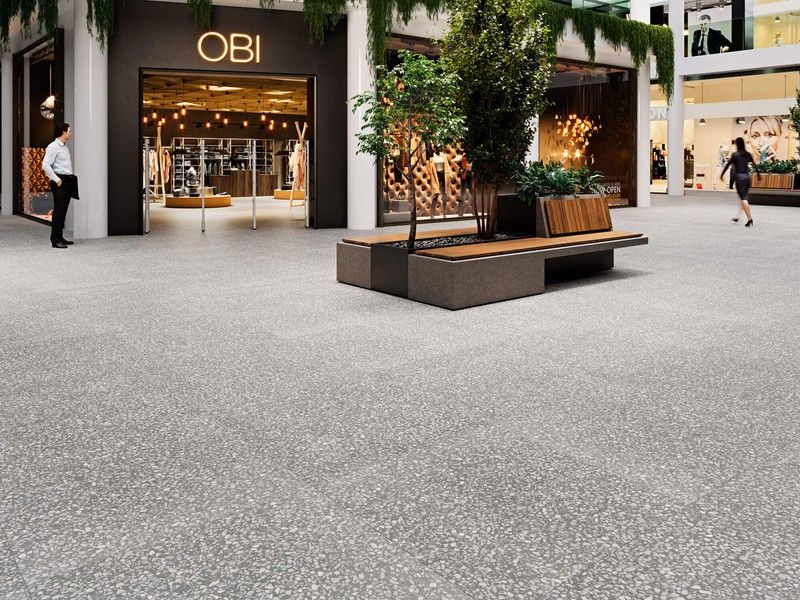
The large format size for a porcelain floor can be up to 100x100 cm, while for a bathroom or kitchen covering it would be easy to find sizes such as 30x90 cm and 40x120 cm.
This type of tile is usually used in living rooms or bedrooms. on outdoor terraces. The environments that usually cover this type of tiles are modern or industrial style.
Some of the leading brands manufacturing large-size ceramics can be Apavisa, Porcelánico or Aparici.
Small tiles
In this size, the most common will be the famous colored tiles of 10, 15 and even 20 centimeters.
Small tiles are ideal to give a rustic atmosphere to the home. Both to place alone and to combine with other materials, even with paint.
Brands such as Vilar Albaro, Complementto, Ribes Albes or Cerámicas l´Antiga are available on our website to give you the opportunity to choose a rustic design for the interior of your house. Valencian tiles or tiles for Andalusian patios are clear examples of how to personalize your home with small tiles. format.
Other related articles
 June 18, 2026
Natural mosaic mesh for decorating textured walls
Buy natural mosaic mesh tiles at Azulejos Solá and transform bathroom, kitchen, … June 15, 2026
Andalusian wall tiles: tips for choosing them according to the space
Buy Andalusian wall tiles at Azulejos Solá and create colorful, traditional, and … June 1, 2026
12 Types of Baseboards for Exterior Walls: Authentic Andalusian Style
Buy Andalusian tiles for baseboards at Azulejos Solá and add character to … May 7, 2026
8 types and finishes of ceramic roof tiles to choose the best roofing material
Buy ceramic roof tiles at Azulejos Solá and complete your roof with … April 16, 2026
Our customers trust us
Opinions of our clients
Receive our news