On what surfaces can microcement be applied?
Microcement is a multi-layer coating system, suitable for a wide range of surfaces, for both decorative and functional purposes.
It can be applied to virtually any surface, with the appropriate primer and surface preparation. Learn below about the most common applications of microcement in the home.

The decorative solutions for microcement are endless. That's why its uses are so varied. From microcement staircases or microcement pools to microcement-coated furniture.
Although the quintessential use of microcement is on floors and walls in kitchens, bathrooms, and outdoor spaces such as terraces. Learn about the types of surfaces to which microcement can be applied below:
Microcement on concrete
When applying microcement on concrete surfaces, it's important to distinguish between new concrete and old concrete. In the case of newly applied concrete surfaces, it's essential to ensure that they are well cured and free of dust and particles.
For old concrete surfaces, it's essential to repair cracks and level the surface before applying microcement.
Microcement on Tiles
Microcement can be applied over tiles and is often done during renovations where removing the tiles would take additional time and money.
While joint filling may be necessary, microcement can adhere very well even to non-porous surfaces with the right primer.
Microcement on Wood
Various types of wood can also be coated with microcement, provided it is well-set and dry. The appropriate primer should be used before application, and any imperfections should be repaired.
Microcement on Drywall (Plasterboard)
As with other surfaces, microcement can be applied directly over drywall after ensuring proper surface preparation and priming.
It can be applied over both new and old drywall, as long as the instructions are followed to ensure proper adhesion.
Microcement on Plaster
Different types of plaster require different preparations, especially if it's decorative plaster.
Depending on the surface texture or any protection previously used, the substrate should be prepared and primed according to professional instructions to avoid any negative effects it may have on the material's adhesion.
Microcement on Cement Boards
Microcement can also be applied directly over fiber cement boards, as long as the appropriate primer is used.
Microcement on Stone
It is important to distinguish between natural and artificial stone when applying microcement, as natural stone may require more extensive preparation if it has loose parts or flakes, which must be removed before applying the primer.
Artificial stones should be prepared similarly with microcement applicators, ensuring a clean and stable surface for application.
Existing Coatings
Microcement can also be applied over any existing coating, such as painted or varnished surfaces, with proper preparation.
Parquet or wood flooring underlayments are not suitable, as their movements can be transmitted to the surface. For this reason, they must be removed beforehand.
Protect and condition your surface with our microcement sealer. Buy now!
After explaining where microcement is applied, let's discover the advantages of this material.
- Multiple decorative finishes.
- Seamless surface.
- Can be applied to floors, walls, ceilings, swimming pools, and furniture. Indoor and outdoor spaces.
- Wide variety of microcement colors and textures.
- Handcrafted application. Exclusive and personalized result.
- High adhesion. Compatible with tiles, marble, stoneware, terrazzo, plasterboard, concrete, cement, plaster, etc.
- Resistant to traffic, impacts, scratches, and chemicals.
- Waterproof.
- Non-slip, depending on the finish.
- Quick and debris-free work.
- Material thickness is 2/3 mm, so it does not affect the structural load of the building.
- Natural materials. 100% ecological product.
- Easy maintenance and cleaning with pH-neutral soap and water.
- Germ- and bacteria-free spaces.
Microcement is a versatile and aesthetic solution for renovating various surfaces in your home,from floors and walls to furniture and exteriors. To ensure optimal results in your microcement projects, it is essential to have high-quality materials and professional advice.
At Azulejos Solá, we offer a wide range of products for comprehensive home renovations, including:
- Tiles and floors - A variety of designs and materials for bathrooms, kitchens and exteriors.
- Bathrooms - Sanitary ware, taps and accessories from the best brands.
- Exteriors - Gresite for swimming pools, cladding and decorative elements for gardens.
In addition, we have a team of professionals ready to advise you through every step of your project, ensuring that you choose the materials and finishes that best suit your needs and tastes.
Other related articles
 June 18, 2026
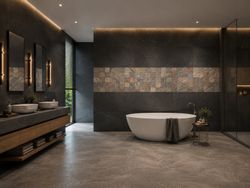
Natural mosaic mesh for decorating textured walls
Buy natural mosaic mesh tiles at Azulejos Solá and transform bathroom, kitchen, …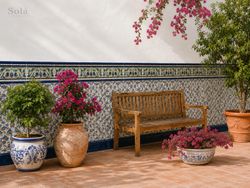 June 15, 2026
Andalusian wall tiles: tips for choosing them according to the space
Buy Andalusian wall tiles at Azulejos Solá and create colorful, traditional, and …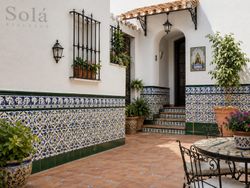 June 1, 2026
12 Types of Baseboards for Exterior Walls: Authentic Andalusian Style
Buy Andalusian tiles for baseboards at Azulejos Solá and add character to … May 7, 2026
8 types and finishes of ceramic roof tiles to choose the best roofing material
Buy ceramic roof tiles at Azulejos Solá and complete your roof with … April 16, 2026
Our customers trust us
Opinions of our clients
Receive our news