News - Page 4
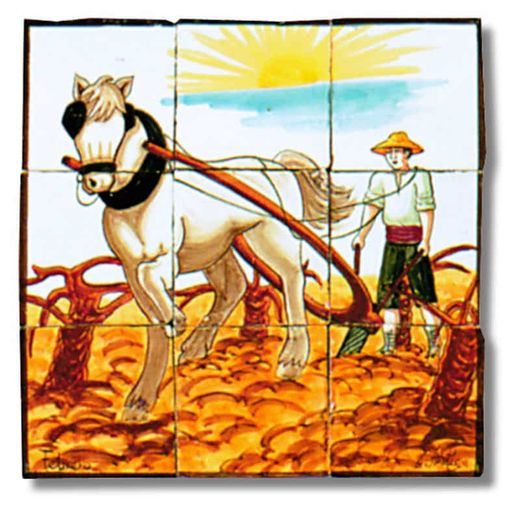
Discover the Tradition and Elegance of Spanish Tiles: Valencian, Andalusian, Borders and Baked Clay
In the world of design and decoration, tiles play a fundamental role. In Spain, tiles have a rich history and a variety of styles that reflect the culture and art of different regions. Today we invite you to learn more about four types of traditional tiles that can transform any space: Valencian tiles, Andalusian tiles, borders and baked clay. Valencian tiles: color and joy Traditional Valencian tiles are known for their vibrant colors and detailed designs. Originally from the Valencian Community, these tiles often feature floral motifs, scenes from everyday life and geometric figures. Their history dates back to the 15th century, when local artisans began experimenting with techniques and glazes. These tiles are perfect for adding a touch of joy and colour to any environment. You can use Valencian tiles in kitchens, bathrooms or as decorative details in living rooms and patios. The versatility of Valencian tiles makes them ideal for combining with other styles and materials. Valencian tiles from Azulejos Solá are an exceptional choice for transforming your spaces into something special. Allow us to introduce some pieces from the collection: Harlequin Designs: Harlequin tiles, available in yellow and blue, feature geometric patterns and vibrant colours. They are ideal for kitchens, bathrooms or even as decorative details in hallways and stairs. Damas G: These tiles, also in yellow and blue, have a classic design that evokes the elegance of bygone eras. Perfect for creating a cosy atmosphere in your home. Ola y Onda: These tiles, in shades of blue, add a fresh, maritime touch. Use them in bathrooms or poolside areas to create a relaxing atmosphere. Santander y Mocaoret: With their traditional patterns, these tiles are an excellent choice for wall coverings in living rooms or dining rooms. Monthly ceramic murals: Why not consider a ceramic mural that changes every month? Azulejos Solá murals represent each month of the year, adding a unique and personalized touch to your space. Azulejos valencianos manises: These tiles, with trade designs, are a real gem. From potters to blacksmiths, each piece tells a story and adds character to your walls. Valencian hydraulic tiles: if you are looking for a more retro style, the hydraulic tiles in Almazora and Almedijar are ideal. Their geometric patterns and bright colours adapt to both interiors and exteriors. Andalusian tiles: elegance and history Andalusian tiles have their roots in the Arabic influence that predominated in the region for centuries. Characterized by their intricate geometric and arabesque patterns, these tiles reflect the cultural richness of Andalusia. The predominant colours are usually blue, green and white, creating a visual effect that conveys serenity and elegance. Using Andalusian style tiles in your home is an excellent way to add a touch of sophistication and tradition. They are ideal for decorating walls, fountains, stairs and patios, bringing a historic and artistic air to any space. Azulejos Solá not only offers variety, but also quality. We have durable and aesthetically attractive pieces. From minimalist to artisanal, you will find options that adapt to your decorative style. Andalusian Tile Granada Andalusian Tile Toledo Andalusian Tile Cartuja Andalusian Tile Córdoba Andalusian Tile Cádiz Andalusian Tile Talaver Andalusian Tile Medina Andalusian Tile Jerez Andalusian Tile Aranda Andalusian Tile Jaen Andalusian Tile Chiclana Borders: details that make the difference Borders are decorative bands that are used to frame or divide surfaces covered with tiles. They can be simple or elaborate, and often include geometric, floral, or abstract designs. Wall tile borders are a great way to add a personalized and unique touch to your walls or floors. You can use borders to enhance the design of a wall in the kitchen, bathroom, or even hallways. They are a simple but effective way to add visual interest and dynamism to any space. The collection of borders available at Azulejos Solá is perfect for adding a decorative and elegant touch to your spaces. Here are some options: Antique Border: manufactured by Cerámica Lantiga, it offers a classic and timeless design. Available in various colors, it is ideal for bathrooms and kitchens. Arabesque Border: It features geometric patterns and vibrant colors. It adds a touch of elegance and personalization to your walls. Harlequin Border: If you're looking for something bolder, Harlequin borders in different shades (yellow, blue, light blue, blue-yellow, among others) are an excellent choice. Their unique style adds dynamism to any space. Renaissance Border: Inspired by Renaissance art, this border offers an elegant, ochre design. Perfect for giving a classic touch to your walls. Remember to visit Azulejos Solá's online store to explore more options and find the perfect border for your decorative project. The variety and quality will surprise you! Clay: warmth and tradition Clay, also known as terracotta, is one of the oldest materials used in construction and decoration. This type of tile is made from natural clay that is fired at high temperatures, resulting in a strong and durable material. Clay has a warm, earthy colour, which provides a feeling of comfort and naturalness. Clay tiles are ideal for indoor and outdoor clay floors, patios, terraces and gardens. Their rustic texture and natural appearance make them perfect for creating cosy and traditional environments. At Azulejos Solá, we work with Valencian factories with more than 100 years of history in the production of handmade clay pieces. From the Vicente Camps brand, you can find three types of terracotta tiles: Red terracotta tileSalmon terracotta floorStraw terracotta tile Care and maintenance of tiles and borders To ensure that your tiles and borders remain in perfect condition and retain their beauty over time, it is essential to follow some care and maintenance recommendations. Here are some tips: Regular cleaning Clean your tiles regularly using gentle, non-abrasive products. Avoid strong detergents that can damage the glaze or decorative surface of the tiles. For terracotta tiles, it is advisable to use specific products for terracotta that do not alter their natural finish. Avoid knocks and scratches Although tiles are durable, it's important to avoid knocks and scratches that can damage their surface. Use furniture protectors and carefully handle heavy objects near tiled areas. Sealing Terracotta Tiles Clay is a porous material that can absorb liquids and stains. To protect it, apply a specific sealer for terracotta to help repel moisture and stains. Repeat the sealing process according to the manufacturer's instructions to maintain protection. Repairing Cracks and Damage If a tile becomes damaged or cracked, it's important to repair or replace it as soon as possible to prevent the damage from spreading. Consult a professional to ensure the repair is done correctly and maintains the integrity of the original design. Moisture prevention In areas such as kitchens and bathrooms, where humidity is high, make sure the joints between kitchen tiles are well sealed. Use silicone or suitable caulk to prevent water leaks that can damage the underlying structure. Outdoor protection If you have tiles outdoors, such as on patios or gardens, protect them from the elements by using covers during periods of extreme weather. Also, perform more frequent cleaning and maintenance to prevent dirt build-up and damage from environmental factors. We encourage you to explore the variety and richness of these tiles in the Azulejos Solá online store and consider how they can be integrated into your next renovation or decoration projects. Discover the magic of Spanish ceramics and let these tiles fill your home with color, elegance and warmth.
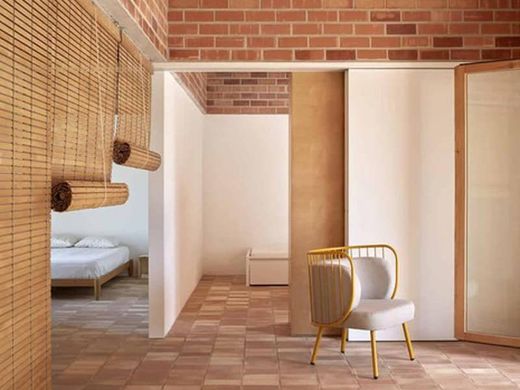
Dream floors: Inspiration for your next project
Every time we step on our floors, we feel the texture, temperature and resistance of our floors. It is a constant contact with the essence of our home. Therefore, choosing well is important and at Azulejos Solá we know this. Floors are the backbone of any environment. They provide stability and support the weight of furniture, people and daily activities. The type of flooring you choose will affect the overall appearance of your spaces. The choice of material influences how we perceive and experience our homes, so today we want to let you know about the different types of materials you can use, highlighting their qualities and benefits. Why is it important to choose a good floor? Choosing a good floor is important for the functionality, aesthetics and comfort of any space. It's not just a matter of design, but also of durability, maintenance and health. Let us elaborate on the importance of this decision: A good flooring material should be wear-resistant, especially in high-traffic areas such as hallways and kitchens. We don't want to constantly renew our floors. Some floors require more care than others. Choosing an easy-to-clean and maintain material saves us time and effort in the long run. Floors affect our health. For example, non-slip floors in bathrooms and kitchens prevent accidents. In addition, some materials are more likely to accumulate allergens or bacteria. Floors also influence the temperature and sound in our spaces. A good material provides insulation and comfort. Types of flooring available at Azulejos Solá Azulejos Solá offers a wide variety of flooring to suit all needs and styles. From the durability of porcelain stoneware to the warmth of wooden floors, the modernity of microcement and the elegance of natural stone, there is a perfect option for every project. 1. Porcelain stoneware flooring Extruded stoneware is one of the most versatile and durable flooring materials. It is made from a mixture of clays and other natural materials, fired at high temperatures, which gives it high resistance and low porosity. Its main uses are: Indoor and outdoor: ideal for any area of the house, including bathrooms, kitchens, living rooms and outdoors such as terraces and patios. High traffic areas: perfect for places with a lot of movement due to its durability. Porcelain stoneware flooring is available in imitation wood, stone, cement and other finishes. In addition, because it is easy to clean and maintain, it is widely used for renovations and new projects. Our collection includes pieces from the brands Porcelanosa, known for its quality and innovative designs, and Saloni, which offers a wide range of styles and finishes. In our store you can find out about them by visiting the following product subcategories in indoor porcelain flooring: Coloured floors Stone-effect porcelain Indoor rustic floors Terrazzo floors Glossy porcelain Hydraulic floors Cement-style porcelain Wood-effect porcelain floors And if what you need is an porcelain floor for outdoors, then take a look at the following subcategories: 20 mm porcelainCement-style porcelainStone-effect porcelainRustic porcelain flooringWood-effect porcelain 2. Ceramic Flooring Porcelain floors are known for their durability and wide range of designs. They are made of clay and other natural components, fired at high temperatures. Their main uses are indoors; especially suitable for bathrooms, kitchens and common areas; outdoors; they can be used on patios and terraces, although it is advisable to choose non-slip variants. At Azulejos Solá you can find a varied collection of brands: Metropol; famous for its durability and design, and Azuliber, which offers a variety of aesthetic options, from classic to modern styles. 3. Laminate Flooring Laminate floors are made up of several layers, including a top layer of melamine that imitates the appearance of real wood and adds strength and protection to the surface. They are an option that has become popular due to its ease of installation and lower cost compared to solid wood. They are recommended for use indoors such as living rooms, bedrooms, offices and areas with moderate use. In our online store you can find laminate floors from Quick-Step, known for its durability and ease of installation, and from Pergo, which is known for its wear resistance and attractive designs. Other aspects that we cannot fail to mention are their ease of installation, since many laminates use click systems for quick installation and the variety of finishes, colors and textures that imitate different types of wood. 4. Vinyl floors Vinyl floors are made of PVC and are known for their durability and water resistance. They are available in a variety of styles that imitate other materials such as wood and stone. They are ideal to adapt to any decorative style, from rustic to modern. Azulejos Solá offers you vinyl floors from the best Spanish brands. Recommended for use on kitchen floors, bathrooms, basements and any area prone to moisture. Locking systems (Lock, Drop Lock and Quick Lock) make installation simple. 5. Natural stone floors Natural stone floors, such as marble, granite and slate, offer exceptional durability and timeless beauty. Each piece is unique, adding an exclusive touch to any space. You can find everything from irregular slabs to regular-shaped slabs. They are recommended for living rooms, kitchens, bathrooms, patios, gardens and high-traffic areas. Tips for choosing the best type of flooring Choosing the right flooring for your home or business is a very important decision that affects both the aesthetics and functionality of the space. Here are some tips to help you select the best flooring for your needs, lifestyle, and budget. 1. Consider the use of the space The first step is to evaluate the traffic and use of the space. For high-traffic areas like hallways and living rooms, opt for durable materials like porcelain stoneware or Eligna laminate flooring. For bedrooms and less-trafficked areas, however, you can choose softer, warmer options like vinyl. In bathrooms and kitchens, where exposure to humidity is high, it is essential to select water-resistant floors such as ceramic, porcelain stoneware or vinyl floors. These materials do not warp or deteriorate with humidity, ensuring greater durability. 2. Evaluate the style and aesthetics Choose floors that complement the overall style of your home. For a rustic style, imitation wood or natural stone floors are ideal. If you prefer a modern atmosphere, microcement or porcelain stoneware floors with metallic finishes may be the best option. The colors and textures of the floor are also important. Light tones can make a small space appear larger and brighter, while dark colors add warmth and sophistication. In addition, textures can add depth and character to the design of the space. 3. Budget Set a clear budget that includes not only the cost of the material, but also installation and long-term maintenance. Ceramic and vinyl floors are economical options with low maintenance, while wood and natural stone may require a larger initial investment and periodic maintenance. 4. Maintenance and durability Consider how much time and effort you are willing to put into maintaining the floor. Forever porcelain and vinyl floors are easy to clean and maintain, ideal for families with children or pets. Wood and natural stone, while aesthetically appealing, may require special treatments and more constant maintenance. 5. Comfort and feeling underfoot Comfort underfoot is an important factor, especially in areas where you spend a lot of time on your feet. Wood and vinyl floors tend to be warmer and more comfortable to the touch, while stone and porcelain tiles can be cooler, which can be an advantage in hot climates. Visit the Azulejos Solá online store: your destination for finding the perfect floor Are you looking to renovate your spaces with high-quality floors? Look no further! We invite you to explore the Azulejos Solá online store, where you will find an unmatched diversity of floors grouped into 15 carefully selected subcategories to facilitate your search and decision. Imagine being able to choose between the elegance of wood, the resistance of porcelain tiles, the modernity of microcement or the timeless beauty of natural stone, all in one place. Each category is designed to offer you the best options according to your needs and preferences: Indoor porcelain flooring Outdoor porcelain flooring Kitchen floors Bathroom floors Stone floors Concrete floors Laminate floors Extruded stoneware 20 mm porcelain Clay Floor borders Ceramic stair treads Skirting boards Water drainsPool copingAt Azulejos Solá, you will not only find an impressive variety of products, but also the support of renowned brands such as Porcelanosa, Tau Cerámica, Quick-Step and many more. Each product in our store has been selected for its quality, durability and exceptional design.
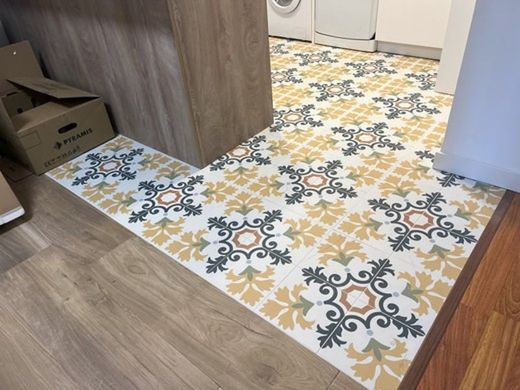
Tau Cerámica brand: Leader in design and quality
Tau Cerámica is a world-renowned brand in the ceramic sector. We invite you to discover its technical and aesthetic quality. From Azulejos Solá online, you can explore its wide variety of products, from tiles to porcelain, designed to inspire and transform your spaces.Beginnings and history of Tau Cerámica Tau Cerámica was founded in 1967 in Castellón de la Plana, Spain. The company began as Taullel S.A., an association of companies with strong ties in the world of ceramics. The founders were entrepreneurs of five companies, supported by a professional management team. The headquarters of Tau Cerámica are located in Onda, Castellón, at Calle del Toll 182. This strategic location allows them to be close to the production and distribution centers. Tau Cerámica offers a wide variety of products, from tiles to porcelain. Its technical and aesthetic quality is recognized worldwide. Since then, Tau Cerámica has grown and evolved, consolidating itself as a leading brand in the sector. Its commitment to innovation and development has been constant, and its global presence is notable. In addition, Tau Cerámica promotes sport and has a strong environmental commitment. It sponsors teams such as TAU Castelló and supports Villarreal CF, demonstrating its social responsibility. It also implements sustainable practices and seeks energy efficiency in its facilities. What makes Tau Cerámica so special? Tau Cerámica stands out for its excellence in several aspects, making it a special choice for those looking for the best in ceramics: Innovation and design: Tau Cerámica is at the forefront of ceramic design. Its collections reflect current trends and offer a wide variety of styles, from classic to contemporary. Technical quality: its products meet the highest quality standards. They use advanced technology to create resistant, durable and easy-to-maintain ceramics. Variety of formats and textures: Tau Cerámica offers a wide range of formats, from small mosaics to large porcelain tiles. In addition, its textures and reliefs add depth and personality to spaces. Environmental commitment: the Tau Cerámica brand cares about the environment. They use sustainable processes and recyclable materials in their production. Are there any outstanding Tau Cerámica collections at Azulejos Solá? Tau Cerámica stands out for having a diverse and elegant catalog. Explore these collections with more than a hundred products at Azulejos Solá, where you will find the quality and beauty that Tau Cerámica offers. Some of its notable collections include porcelain and tiles, including: Altamura Wall Tiles Altamura very accurately imitates the texture and appearance of natural stone, providing an authentic and tactile feel that enriches any space. This rectified wall tile in gray tones offers an elegant and detonated grain, ideal for bathrooms and kitchens. It is available in a range of neutral tones, such as beige, gray and white, which easily adapt to different decoration styles, from the most modern to the most classic. This covering is available in various formats and sizes, allowing for great flexibility in its application. The larger formats are ideal for creating continuous and uniform surfaces. Suitable for both walls and floors, Altamura can be used in bathrooms, kitchens, living rooms and other interior spaces, offering visual cohesion and an integrated aesthetic. Made from high-quality materials, Altamura covering is highly resistant to wear, impacts and stains, ensuring a long life and easy maintenance. Egeo Gray Porcelain This is a 22.3x22.3 cm porcelain tile. It is a high-quality material that imitates the beauty and sophistication of marble, characterized by its refined gray tone. This porcelain tile is ideal for those who want a luxurious and long-lasting finish on their floors and walls. Suitable for both indoor and outdoor use, Egeo Gray is perfect for floors, walls, countertops and other coverings, providing a versatile solution for all types of projects. It is extremely resistant to wear, impact, moisture and stains, ensuring a long life and easy maintenance. Due to its ability to retain and distribute heat, Egeo Gray is an excellent choice for underfloor heating systems. Valenta Porcelain Tile Valenta porcelain tile by Tau Cerámica is inspired by the sophisticated appearance of natural stone, offering a contemporary and refined finish. It is ideal for a variety of applications both indoors and outdoors, providing a touch of distinction and modernity. It is available in a range of natural and neutral tones such as beige, grey and white, which make it easy to integrate into various design styles. It offers different finishes, such as matt and polished. Suitable for a wide range of applications, from interior floors and walls to exterior facades and patios. Fidenza Porcelain It is an elegant semi-polished porcelain that accurately imitates the texture and colour variations of natural stone, providing a feeling of authenticity. Fidenza porcelain is available in a range of natural and neutral tones such as beige, grey and white, which are easily integrated into various design styles, from the most rustic to the most contemporary. It is extremely resistant to wear, impacts and temperature variations. Its non-porous surface makes cleaning and maintenance easy, making it a practical option for high-traffic areas. Eternal Oak Porcelain Tile Eternal Oak combines the warmth and elegance of wood with the durability and ease of maintenance of porcelain, offering a versatile and aesthetic solution for various applications. Measuring 25 x 100 cm, this porcelain tile is perfect for creating warm and natural environments. It is available in a range of shades that capture the essence of oak, from light browns to darker tones. It comes in elongated formats that imitate boards, making it easy to create installation patterns such as herringbone or lattice. Nantes Wall White Relief Tile It is a ceramic covering designed for interior wall applications. Its relief white finish makes it a versatile and contemporary option, perfect for adding a touch of style to any environment. The Nantes Wall White Relief tile is ideal for use on interior walls in bathrooms, kitchens, living rooms and other areas. As we have seen, Tau Cerámica is synonymous with innovation, quality and design in the world of ceramics. With a wide range of tiles that combine aesthetics and functionality, Tau Cerámica offers versatile solutions for any design or renovation project. We invite you to explore more of its collections through the Azulejos Solá online store and discover how its tiles and porcelain can transform your spaces, providing elegance and durability. Incorporate Tau Cerámica Castellón into your projects and enjoy an exceptional and long-lasting finish.
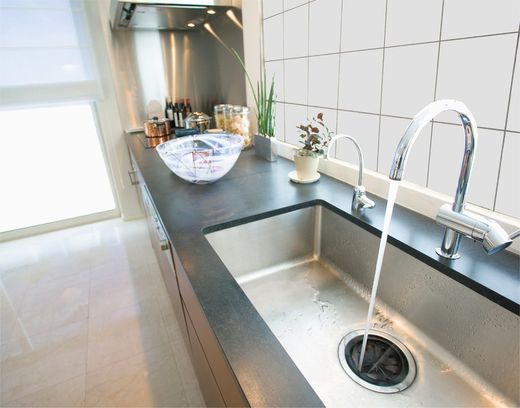
Glossy or matte kitchen tiles
When it comes to renovating our kitchen, one of the questions our clients ask us most is whether gloss or matte is better. This question is the same for kitchen tiles as well as kitchen furniture, since both share 2 keys, luminosity and cleanliness.Currently, most tile collections have a matte texture. It is simply a matter of fashion since for us the matte finish has no advantage over the glossy one, as long as you place it on the wall.If what you want to know is whether to place a glossy or matte tile on the kitchen floor We also have an article on our blog explaining the differences, sales and disadvantages. Well, here there are.
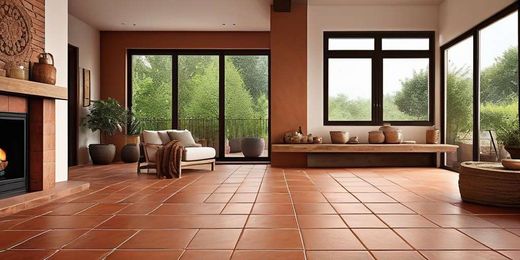
Baked clay tiles: Important things to know before buying
Clay tiles are an ideal choice for both indoors and outdoors. Their rustic and natural appearance creates cozy environments, and their water absorption capacity makes them resistant to weather conditions. Outdoors, they are perfect for terraces and patios. Indoors, they add charm to kitchens and bathrooms as wall and floor coverings. They can also be used as decorative elements on shelves or to cover fireplaces, thanks to their rustic appearance. When choosing, it is important to consider the quality of the material, compare prices and the variety of colors available. In addition, they require adequate maintenance to protect them and guarantee their durability, avoiding the use of aggressive chemicals.Characteristics of terracotta tiles The baked clay tiles are characterized by having a rustic and natural appearance that adds charm and personality to spaces. Their surface has irregular textures and warm tones, which gives them an authentic and welcoming character.Water absorption capacity One of the most outstanding characteristics of terracotta tiles is their ability to absorb water. Due to their porous nature, these tiles can absorb moisture from the environment. This property makes them especially suitable for use in outdoor areas, such as terraces and patios, as they withstand weather conditions without deteriorating . At the same time, the water absorption capacity of terracotta tiles can also be used indoors. In spaces such as kitchen and bathroom floors, where there may be greater exposure to humidity, these tiles act as regulators of the environment.Outdoor use: terraces and patios Clay tiles are the ideal choice for paving terraces and patios, thanks to their multiple advantages. Let's look at two of them: Resistance to climatic conditions One of the outstanding characteristics of terracotta tiles is their ability to resist weather conditions. Thanks to their firing process, these tiles acquire an inherent resistance that allows them to withstand changes in temperature, humidity and sunlight. This means that, regardless of whether they are exposed to the intense cold of winter, the scorching heat of summer or constant rain, fired clay tiles will maintain their durability and impeccable appearance over time. Earthy and rustic nature Another characteristic that makes terracotta tiles ideal for terraces and patios is their earthy and rustic nature. These tiles add a touch of authenticity and warmth to outdoor spaces, creating a cozy and traditional atmosphere. Its irregular texture and warm tones fit perfectly with the vegetation and natural elements of gardens and outdoor spaces. Furthermore, their rustic appearance makes them decorative protagonists, as they add a unique charm to the decoration of the space. Indoor use: kitchens and bathrooms Clay tiles are not only an ideal option for paving outdoor floors, but they are also an excellent choice for giving charm and character to interior spaces. As long as you know the peculiarities of handmade clay and its possible drawbacks, as you will see below.Wall and floor covering One of the advantages of terracotta tiles is their versatility, since they can be used as both wall and floor coverings. In addition, these tiles adapt to different decoration styles, from the most rustic to the most modern. Its wide range of warm tones allows it to be combined with different decorative elements, such as wooden furniture or vintage-style accessories.Considerations when choosing terracotta tiles Before buying a handmade clay tile you should know that:It is a porous material. If you do not treat or protect it, it will absorb any external element and this will influence and modify its original appearanceIt is an imperfect material. Real clay made by hand is imperfect. This means that the measurements of the tiles are not the same, that the tiles may be blunt or even look damaged or defective. But it will be something normal that you have to know before making the decision. It is a very unshaded product. The surface of the tile is not treated and the color is very varied. Sometimes we think that manual clay manufacturers should not give color options due to the variety of tones that exist in the same collection, even in the same piece. < /p>Proper maintenance for fired clay tilesFired clay tiles require adequate maintenance to protect them from stains and ensure their durability over time< /b>. There are some important recommendations that you should keep in mind:Regular cleaning: It is essential to keep the tiles clean and free of dirt. You can use a soft-bristled broom or vacuum cleaner to remove dust and debris. Avoid using hard brushes that can damage the surface. Stains: When stains appear on the tiles, it is important to act quickly. Use a mild solution of water and neutral soap to gently clean the stain. Avoid the use of aggressive chemicals that could damage the material. Sealing: Sealing terracotta tiles is a recommended preventive measure to protect them from the absorption of liquids and stains. You can apply a specific sealant for terracotta, following the manufacturer's instructions. Avoid impacts: Although terracotta tiles are resistant, it is recommended to avoid strong blows or impacts that could cause them to break or deteriorate.Alternatives to manual clay floorsIf you like the warm and natural appearance that clay offers but you want to not worry about its maintenance, there are very suitable alternatives for this.Mud-looking floors for floorIf you need to change the floor of your terrace, extruded stoneware flooring is the best option for you.Historically they have been a one of the most used collections for the exterior of rustic houses. These models are the closest thing to mechanical mud. And although they are uncalibrated and porous tiles, their maintenance and cleaning are very comfortable. Nothing to do with manual clay.Extruded stoneware floors do not need to be treated with any wax or waterproofing oil.In this style the most popular models are the Natural series of Gres de Aragón or extruded stoneware from Greco Gres.Rustic wall coverings for bathrooms and kitchensThese are normally small tiles with a warm color that simulate mud. The difference with the previous group is that they are not resistant enough to be placed on the ground. While the difference with clay tiles is that rustic tiles are glazed and are almost completely waterproof.In our tile store you will find this type of ceramic in brands such as Pissano or Natucer. These tiles are characterized by their small size, almost always in a square format of 20x20 or 10x10 centimeters.
Ceramic tiles, porcelain stoneware, tiles, racholas or extruded stoneware: We resolve doubts about the terms and uses of each material
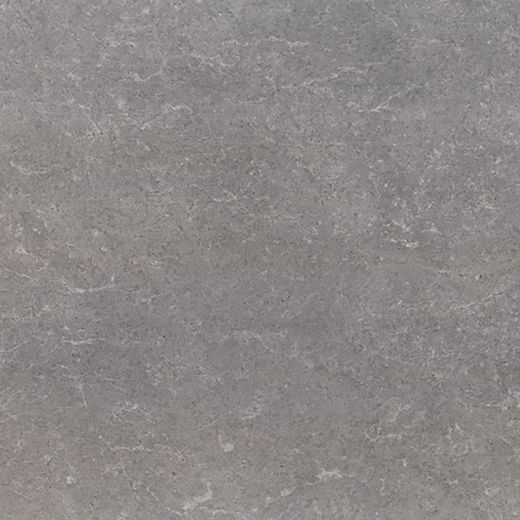
For the ceramic sector, a series of terms are used that sometimes confuse the end consumer. Some refer to the type of material and the use that we can give it, but other times it is simply part of the jargon or language of each province.The two concepts that are most used are that of tiles and tilesTilesThe tile includes all types of materials beyond the ceramic sector, since it is usually used for any product that serves as wall covering or floor coverings.Stone tiles, concrete tiles or stoneware tiles are some of the examples.That is why tile could be the same as floor or the same as a tile and does not give many more clues about where we can place it.TilesThe tile as it is known is the ceramic piece that we use as interior wall covering. or outside. A tile should never be installed on the floor as it does not meet the necessary characteristics.Tile is still a very general term that we could continue to segment into finishes, measurements and styles. But in this article we will distinguish the tiles by the type of materialWhite-body tiles and red-body tilesThe red-body tile is the traditional one in our country. It has been used by Spanish factories since its beginnings and the red earth was typical of our quarries.In recent years it has stopped being used to the detriment of white paste. That's why red-body tiles tend to be smaller formats or less modern styles.White-body tiles are the ones found in most tile stores. The white paste is nothing other than the color of the earth that is exported from other countries. Normally Eastern European countries.Both white or red body tiles are used for covering interior walls, bathroom tiles and kitchen tiles.They have the same quality and performance against humidity.Porcelain stonewarePorcelain stoneware flooring is a resistant and durable material that barely absorbs water. It is the ideal material to use as a floor in high-traffic spaces and as an outdoor terrace floorThere is a very wide variety of products and it has become the most used due to its great features and good value for money. .As it is the most resistant material for outdoors, brands have filled their catalogs with non-slip porcelain floors. In this way they not only guarantee the durability of the floors but also the safety of people.Porcelain stoneware can also be placed on the walls although it is not necessary. Due to its hardness, it will be difficult to cut and drill holes, so it will complicate the installer's work unnecessarily.The price of installing porcelain stoneware will be higher than that of the tile precisely for this reason. Extruded stonewareIt is a natural stoneware manufactured by extrusion that is usually used outdoors.Extruded stoneware has the following peculiarities that differentiate it from other materials:The most popular collections are unglazed floors.It is thicker than other floors (between 12 and 16 millimeters)Rustic appearance li>Greater water absorption and porous material. Although there are not many factories dedicated to the production of extruded stoneware, there are still some and it continues to be a in-demand product. Therefore, factories such as Gres de Aragón and Greco Gres have a large share in the market, offering a product of extreme resistance and quality. FLOORS AND FLOORSThere is no difference between them and it is simply a way of naming them. Being a little more technical, the pavement would be the tile that is placed on the ground. But in practice, both ways are searched equally and this is shown by the search statistics provided by Google. A floor, as we said at the beginning, does not have to be stoneware, it can also be a laminate floor, a vinyl, stone or concrete floor, among others.RACHOLASThe rachola is what they call tile in Catalonia. You will hear it called that depending on the area you are in but it is only a matter of the language in which you say it. There is no difference.Due to the number of Catalan-speaking people and the economic activity of the region, it is quite easy that you have heard of it if you are dedicated to the construction and home rehabilitation sector.
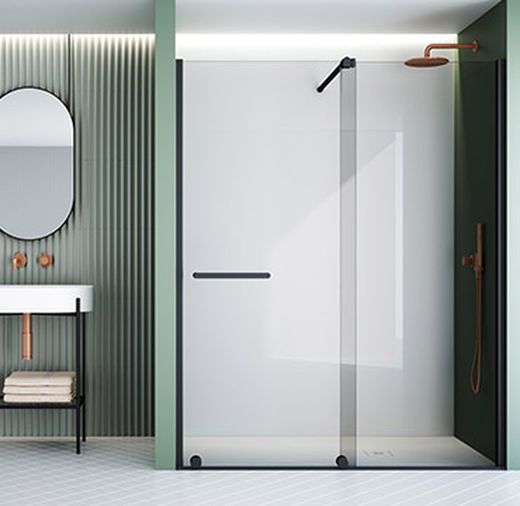
Shower screens: Sliding or folding? Discover which is the best option for your bathroom
Sliding or folding shower screens are popular options for maximizing bathroom space. There are different types, such as frontal, angular and semicircular, as well as fixed ones. As for the opening, the screens can be sliding, folding or folding. The most common materials include acrylic and stainless steel, with profiles available in black, gloss silver and white. In addition, you can find styles ranging from industrial to modern. It is essential to consider resistance, cleanliness, accessibility and tightness when choosing a shower screen. Types of shower screensShower screens offer various options to adapt to the needs of each bathroom. Below, we present the different types of screens available: Front, angular and semicircular screens If you are looking for a screen that adapts to a shower in a corner or in a frontal position, the front, angular and semicircular screens are perfect. These screens are ideal for making the most of space and creating a feeling of spaciousness in the bathroom. Fixed screens The fixed screens offer an aesthetic and functional solution to delimit the shower within the bathroom. These screens do not have movement and are characterized by their minimalist and modern design. They are very easy to clean and add an elegant touch to the space.It is the most economical screen Sliding screensSliding screens are a popular choice due to their functionality and space savings. These screens slide smoothly along a track, allowing easy access to the shower. They are ideal for bathrooms with limited space as they do not require additional space to open. In addition, its closure system guarantees an airtight seal, preventing water leaks. Folding screens Folding screens are a versatile option that opens inwards or outwards. These screens provide full access to the shower and make cleaning easier as they can be folded to the side when not in use. They are ideal for larger bathrooms where space is not an issue. However, it is important to take into account the available space so that the screen can open completely without obstacles. Folding screens Folding screens are a combination of the previous options. They are made up of panels that fold or slide to open and close. These screens offer flexibility and space savings, as they fold when not in use. They are ideal for smaller bathrooms where space is limited. In addition, its design allows easy access to the shower and simple cleaning. Profile colors: black, gloss silver, white As for the profiles of the screens, you can find a variety of colors to complement the aesthetics of your bathroom. Black is a contemporary and sophisticated option that adds a touch of elegance. The glossy silver color offers a modern and minimalist look, while the white provides a feeling of lightness and spaciousness in the space. Tips for measuring and installing a shower screenBefore purchasing a shower screen, it is important to take precise measurements to ensure that it correctly fits the available space in your bathroom. Follow these tips to measure and install the screen properly: Use a tape measure to measure the distance between the walls where the screen will be installed. Take measurements at several points to ensure accuracy.Consider the dimensions of your shower tray or bath area to determine the correct size of the screen.Check if your bathroom has unevenness or irregularities in the walls that could affect the installation. If necessary, adjust the measurements to ensure a perfect fit.If you have doubts about taking the measurements and are not sure about installing the screen yourself, please contact us. We recommend contacting the Azulejos Solá team Shower trays If you are looking to completely renew your bathroom space, shower trays are an excellent option. Available in different sizes, shapes and materials, shower trays offer a solid and safe base for your shower, as well as facilitating accessibility and improving the aesthetics of your bathroom. Faucets and shower sets To complete your shower experience, we cannot forget the importance of good taps and shower set. There are a wide variety of options to suit your preferences and needs. From thermostatic systems that regulate the water temperature, to hand showers with different types of jets, you will find the perfect combination to create a relaxing environment in your shower.
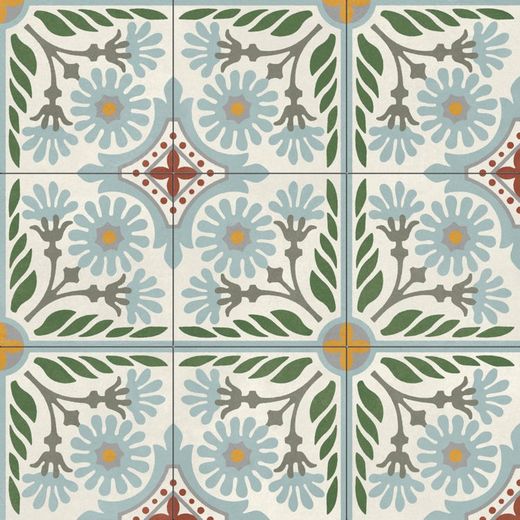
The best hydraulic tiles for kitchen floors
The hydraulic style tile is an excellent option to personalize your kitchen. Due to their shapes and colors, we do not always dare to use hydraulic tiles throughout the house, which is why the bathroom or kitchen is a suitable room to create a unique space.Authentic hydraulic floors have stopped being marketed. , and the few houses that preserve it increase the value of the home due to the added value caused by the shortage.However, tile factories have been covering this need for years with a wide range of collections. porcelain stoneware.Hydraulic tiles have a common denominator among themselves: size, color and shapes.
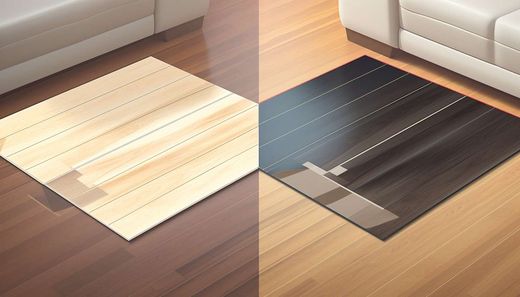
Differences between laminate flooring and vinyl flooring: What is the best option for your home?
These two ideas are a brief summary of the differences between laminate flooring and vinyl flooringLaminate flooring is often cheaper in terms of initial price. Vinyl floors offer greater durability and resistance to stains, justifying their price.Laminate floors and vinyl floors have some differences and similarities in terms of resistance, ease of cleaning, installation and design. Laminate floors are easy to clean but more susceptible to scratches, while vinyl floors are more resistant to stains and wear. Both types of floors are easy to install, but laminates are faster due to their click system. Regarding design, laminates offer greater variety, while vinyl imitates different materials with great realism. Price can also be a factor to consider.Differences in strength and durability One of the main differences between laminate flooring and vinyl flooring is their strength and durability. Laminate floors are made up of several layers, with the top layer being the one that provides resistance to scratches and wear. While generally durable, laminate floors are more susceptible to scratches and scuff marks compared to vinyl floors. This is due to the fact that the top layer of laminate floors has a composition of melamine and resins, which can be easily scratched if subjected to sharp or abrasive objects. In contrast, vinyl floors are known for their high resistance to wear and scratches. They are designed to withstand heavy traffic and the most challenging conditions. The top layer of vinyl flooring is durable and strong, making it ideal for high-traffic areas like kitchens and bathrooms. In addition, vinyl floors are also more resistant to staining and fading caused by prolonged exposure to sunlight. This makes them a popular choice for spaces that are exposed to direct sunlight for long periods of time. Ease of cleaning and maintenance of vinyl and laminate floorsEase of cleaning and maintenance is an important factor to consider when choosing between laminate and vinyl floors. Both types of floors offer advantages in this regard. Laminate flooring Laminate floors are easy to clean thanks to their non-porous surface, which prevents the absorption of liquids and stains. For its daily cleaning, it is enough to sweep or vacuum the floor to remove dirt and dust. In addition, it is recommended to use a slightly moistened mop with specific cleaning products for laminate floors. It is important to avoid the use of abrasive products or aggressive chemicals, as they can damage the surface layer of the laminate flooring. Similarly, cleaning tools with hard bristles that can cause scratches on the surface should be avoided. In the event of spills, they must be cleaned up immediately to prevent liquid from entering the joints and causing damage to the underlying layers. Regarding maintenance, it is advisable to use furniture protectors or felt feet under the furniture to avoid marks or scratches on the floor. In addition, it is important to avoid dragging heavy objects that could damage the surface of the laminate. Vinyl flooring Vinyl floors also stand out for their ease of cleaning. Being waterproof and resistant to stains, cleaning can be done simply with a damp cloth and non-abrasive cleaning products. In this way, any dirt or stain can be effectively removed without damaging the surface. Like laminate floors, it is important to avoid the use of aggressive chemicals or abrasive products that can deteriorate the floor's protective layer.In terms of maintenance, vinyl floors They are durable and require little care. However, it is recommended to avoid dragging heavy furniture and place furniture protectors to prevent marks or scratches on the surface. It is also suggested to avoid exposing vinyl flooring to high temperatures or direct sunlight, as this can affect its appearance and long-term durability. Installation process for each type of floor Next, we will see in detail how the installation of laminate floors and vinyl floors is carried out. If you are considering renovating your floors, this information will be very useful to decide which is the most suitable option for you. Laminate flooring installation The installation process for laminate flooring is relatively simple and can be done by a do-it-yourselfer. Next, we explain the steps to follow: Preparation: Before you begin, make sure the floor where the laminate will be installed is clean, level, and dry. Remove any type of previous coating and make sure there are no irregularities in the surface. Underlayment: The first step is to lay a foam or polyethylene underlayment over the floor to provide greater sound absorption and to even out small imperfections. Be sure to cover the entire surface with the base coat. Laminate installation: Next, start installing the laminate around one corner of the room. Use the tongues and grooves on the boards to fit them together. As you go, be sure to leave a small expansion gap at the joints and use shims to hold them in place as you continue with the installation. Finishing: Once you have installed all the boards, cut off any pieces that are left in the corners or around fixed objects. Then, install skirting boards to hide the edges of the laminate and give the room an aesthetic finish. Vinyl flooring installation Installing vinyl flooring is also a relatively simple process and can be done by anyone with basic DIY skills. Here are the main steps: Preparation: As with laminate flooring, make sure the surface is clean, level, and dry before beginning the vinyl installation. If necessary, remove the previous coverings and fill in any irregularities in the floor. Underlayment: In some cases, it is necessary to lay a foam or polyethylene underlayment under the vinyl to provide greater sound absorption and to even out small imperfections. Consult the manufacturer's instructions to determine if a base coat is necessary for you. Vinyl installation: Start laying the vinyl sheets in one corner of the room and work your way to the other end. Use specific adhesive for vinyl floors and be sure to follow the manufacturer's instructions regarding the amount and way to apply the adhesive. Fits and Finishes: Once all of the vinyl is installed, cut off any excess pieces in the corners or around fixed objects. Then, make any necessary adjustments to ensure a perfect fit. Finally, install the baseboards to hide the edges of the vinyl and give the room an aesthetic finish.Prices and economic aspects to consider When considering the choice between laminate flooring and vinyl flooring, it is important to evaluate the prices and economics associated with each floor. Laminate being a cheaper option, it is usually the preferred choice for those who have a tighter budget. Laminate floors offer excellent value for money, providing a visually appealing appearance at an affordable price. Their layered construction and scratch resistance make them a long-lasting option that doesn't require frequent replacement, which in turn helps save money in the long run. On the other hand, vinyl floors also offer good value for money. Although they tend to be a bit more expensive than laminate flooring, their durability, wear resistance, and ease of maintenance justify their price. Vinyl floors are known for their longevity and resistance to stains, making them an investment that will last over time. In addition to the initial price of the floor, it is important to consider the expenses related to the installation. Both laminate and vinyl floors are usually easy to install, however they may require hiring a professional in some cases. Be sure to consider the price of the installation when evaluating the most economical option.
Our customers trust us
Opinions of our clients
Receive our news