News - Page 5
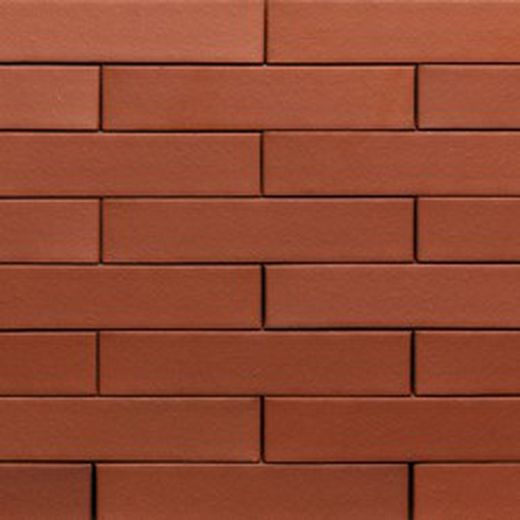
Facing brick for exterior facade: The perfect choice to cover your home
The facing brick is a popular material for cladding the exterior facade of buildings. It can be found in different models, sizes and finishes. In addition, it is very versatile and adapts to different spaces. Regarding its design and decoration, it is ideal for improving the appearance of facades and interior spaces. In this article we will talk about the characteristics, advantages and care of facing brick for exterior façades.What is facing brick for exterior façades? Facing brick is a ceramic material used as a cladding on exterior and interior facades. It is characterized by its elongated shape, with approximate measurements of 24x11x5 cm and its surface finish, which can be smooth or textured. Facing brick has been used for decades in construction thanks to its strength and durability. Characteristics of facing brick for exterior facade The exposed brick for exterior façades is characterized by being: Resistant to moisture and water. Fire resistant and high temperature. Resistant to chemical corrosion. Resistant to UV rays. Ecological and sustainable. Easy to clean. Versatile and adaptable to different shapes and surfaces. Types of materials used for its manufacture The facing brick for exterior facades can be made with different types of materials, such as: Klinker stoneware: a high-temperature ceramic material, highly durable and resistant. Refractory brick: used in industrial constructions, its finish is rougher. Exposed brick: rustic and textured finish. Rustic brick: rough and rough finish. The choice of the type of facing brick will depend on the architectural style of the building and the available budget. Advantages of facing brick for exterior facades Facing brick is a material with multiple advantages when it comes to using it in the construction of exterior facades. Next, we will detail the main ones: Sustainability and durability of facing brick One of the most notable advantages of facing brick is its sustainability. This material is environmentally friendly because it is made from clay and fired at a high temperature, making it a strong and durable product. In turn, its durability is reflected in the low maintenance it requires, which makes it a cheaper option in the long term.Versatility and adaptability to different spaces Another advantage that facing brick offers is its versatility. It can be adapted to different spaces, both exterior and interior, thanks to the variety of colours, textures and shapes available on the market. In addition, it can be used on different types of surfaces, whether they are flat or curved. This allows creativity to be unleashed in the design and decoration of facades, walls and other architectural elements. Design and decoration with facing brick for exterior facade Faced brick has become a very popular material in decorating interior and exterior walls, due to its versatility and adaptability to different spaces and surfaces. Here we present some useful tips for its application in indoor and outdoor spaces. Application of facing brick inside spaces Faced brick can be used to cover interior walls and create a warm and welcoming atmosphere in any room of the house, from the living room to the bedroom. In the kitchen, it can be used as a cladding for the back kitchen wall or even to create a small breakfast bar, adding a rustic and elegant touch. In the bathroom, exposed brick is ideal for giving a touch of rustic and elegant style. It can be used as a lining for the bathtub, shower or even for the sink, creating a very attractive stone wall effect. In the bedroom, exposed brick can be used as a wall covering for the headboard of the bed, adding a touch of comfort and elegance. Current trends in the construction of exterior facades Currently, the trend in the construction of exterior facades is to use light colors for facing bricks, in combination with grey. Models in light tones, such as white or beige facing brick, are especially popular as they provide light and increase the feeling of spaciousness in the space. How to choose the right color and type of facing brick It is important to choose the color of the exposed brick according to the style and design of the house. For rustic-style houses, facing bricks in brown and reddish tones can be used. For more modern houses, you can choose lighter tones, such as white or beige. It is also important to choose the type of facing brick according to the needs of the project. Facing bricks made with klinker stoneware are a good option if you are looking for durability and abrasion resistance. Glazed facing bricks are ideal for those seeking a brighter, easier-to-clean finish. At Azulejos Solá you will find a wide range of models from Cerámicas La Paloma, one of the benchmarks in the façade cladding sector with more than 50 years of experience manufacturing facing bricks. >
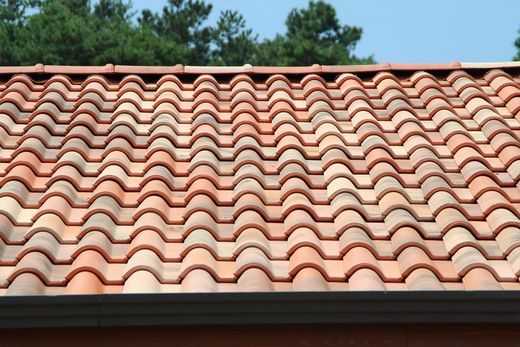
How to lay mixed tiles to get a strong and durable roof
The installation of mixed tiles on roofs is an important task that involves different stages. First, it is necessary to prepare the roof, leveling the surface and calculating the necessary battens. Then, you have to place the tiles, distributing them correctly and securing them with nails or hooks. It is important to take into account the ventilation, insulation and proper selection of the tiles to guarantee their durability and watertightness. If you prefer, you can also count on professionals who are experts in the installation of mixed tiles. In addition, to keep the cover in good condition it is necessary to carry out proper cleaning and maintenance. Finally, it is possible to buy ceramic tiles at a price, if we search for the right companies specialized in remodeling and home construction productsPreparation of the roof before placing mixed tiles The correct installation of mixed tiles on a roof requires adequate preparation of the support to guarantee its fixation and watertightness. This section deals with two essential aspects of roof preparation that directly influence the success of the installation of mixed tiles. Cleaning and leveling the surface before installing mixed tiles Before starting the placement of the mixed tiles, it is essential to thoroughly clean the roof surface. Any remains of dust, dirt, moss or remains of deteriorated old tiles can affect the quality and durability of the installation of the mixed tiles. It is advisable to use a specific cleaner and brush the entire surface of the roof vigorously before proceeding with the placement of the new tiles. In addition, it is essential to ensure that the roof surface is properly leveled before applying the mixed tiles. If the roof presents irregularities or unevenness, the installation of the mixed tiles will be compromised and may affect the ventilation and tightness of the roof. In this case, it is necessary to proceed with leveling using mortar or polystyrene plate. Calculation and placement of the battens necessary for the correct fixing of the tiles The installation of the battens is essential for the correct fixing of the mixed tiles. Therefore, it is important to correctly calculate the number of battens needed based on the characteristics of the roof. In general, it is recommended to use galvanized steel battens.The distance between the battens is variable depending on the type of roof and the climatic conditions of the area. In general, it usually oscillates between 40 and 80 cms. In addition, it is essential that the battens are properly leveled and placed perpendicular to the roof structure to ensure the perfect fixing of the composite tiles. Installation of the mixed tiles The correct installation of mixed tiles depends on factors such as the inclination of the roof and the correct fixing to the roof support. Next, we detail the steps to follow for the placement of the mixed tiles: How to distribute and place the mixed tiles depending on the slope of the roof The slope of the roof is a key factor for the correct placement of mixed tiles. In general, it is considered that a roof with a slope of less than 30 degrees requires the installation of a waterproofing sheet prior to the placement of the tiles. Once the waterproofing is ensured, we proceed to the placement of the mixed tiles. Ridge and eave tiles are placed at the top of the roof and lowered in rows from right to left or left to right, depending on the particular roof design. The distribution of the tiles must be uniform to guarantee a correct fixation and aesthetics. How to fix the mixed tiles to the batten with nails or hooks suitable for the type of tile The mixed tiles are fixed to the batten with nails or hooks suitable for the type of tile. Choosing the right nails or hooks is essential to ensure correct fixing and sealing. It is important to ask the supplier of the tiles the type of nail or hook recommended for your type of composite tile. The fixing of the tiles must be done in such a way that they cover the previously fixed nails or hooks, that is, the upper row will be covered by the next row. In addition, it is important to leave a space between tiles to facilitate their expansion and contraction with changes in temperature. How to cut and adapt mixed tiles for proper placement in corners and other special spaces It is possible that in some special spaces, such as corners, attics or next to chimneys, it is necessary to cut and adapt the mixed tiles for a correct placement. For this, a cutting tool such as a jigsaw or a grinder can be used. It is important to be careful when cutting and adapting the tiles, since a bad adaptation can compromise the waterproofing and durability of the roof. If you are not sure how to do it, it is advisable to go to a professional who will give you a suitable solution. Tips to ensure the watertightness and durability of mixed tiles To ensure the correct installation of mixed tiles, suitable waterproofing materials must be used for each particular case. In this way, water is prevented from entering the home or building, which can cause problems with humidity and leaks on the roof. Among the most common materials are silicone sealants, waterproofing paints and asphalt sheets. The choice of waterproofing material will depend on the structure and characteristics of the roof, as well as the exposure to the elements and the climatic factors of the area where the building is located. It is important to choose quality materials to guarantee the durability of the roof with mixed tiles.Ventilation and insulation of the roof to ensure the perfect conservation of mixed tiles over time The placement of mixed tiles requires proper ventilation and insulation of the roof. Ventilation is essential to prevent moisture buildup under the shingles, which could lead to seepage and mold problems. On the other hand, insulation helps maintain a constant temperature inside the home or building, which reduces the energy consumption necessary to maintain thermal comfort. There are different techniques and materials to achieve proper ventilation and insulation of the roof. For ventilation, cross ventilation systems, perforated plates and roof vents, among others, can be used. For insulation, rock wool, polyurethane foam or thermal insulation boards can be used. Selection of mixed tiles and placement according to sun exposure and other external factors The choice of mixed tiles is an important factor to take into account to guarantee the waterproofing and durability of the roof. It is important to select high quality composite tiles that have been manufactured to withstand external factors such as exposure to the sun, rain, wind or snow. When placing composite tiles, exposure to the sun and other external factors must be taken into account. The tiles must be placed strategically to make the most of sunlight and, at the same time, guarantee proper ventilation and protection of the roof.Care and maintenance of the mixed tile roof Maintenance and cleaning ensure the useful life and aesthetics of mixed tiles. It is advisable to carry out an annual cleaning to keep your roof and the state of the mixed tiles in perfect condition. In general, during cleaning, the following tips should be followed:Remove branches and leaves Remove dirt with pressurized water Clean gutters and water pipe systems In addition, we recommend that you carry out a regular roof inspection, especially after extreme weather, to detect possible damage to the mixed tiles and make the necessary repairs. To guarantee a long useful life of the mixed tiles, it is also important to follow the following tips:Avoid stepping on the mixed tiles or the roof without adequate protection to avoid damaging the tiles and the roof structure. Regularly check the state of the mixed tiles, the roof structure and the protection elements, such as waterproofing and gutters. If you detect any problem, do not hesitate to call the professionals to repair the roof. Choose high-quality, sustainable and durable mixed tiles to ensure a long lifespan for the roof Guarantee adequate ventilation and insulation of the roof to prevent the accumulation of humidity and mold in the mixed tiles and the interior of the house With these tips, you can ensure the aesthetics, resistance and durability of the mixed tiles on your roof. Do not hesitate to follow these tips to enjoy a roof in perfect condition for many years.
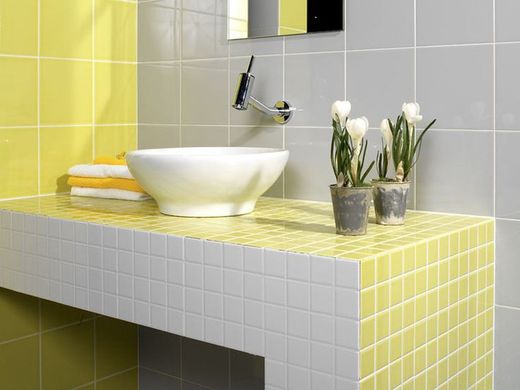
Colored tiles, an excellent option to personalize your bathroom
With colored tiles a whole world opens up for decorating both bathrooms, kitchens or other projects that need a new look.The ceramic is a versatile product that offers infinite possibilities of designs, styles, measurements or texture. And the colored tile is one of those options that is interesting to take into account.During the last few years, colored tiles have been left aside, since the trends were the placement of neutral tiles and natural, very timeless. However, from time to time the fashion for colored tiles returns with force, although in each era it is a color or an intensity that marks the prominence.At the beginning of the 21st century, colors became fashionable. eye-catching, such as pistachio green or bright orange, and we saw many bathrooms that combined these colors on their walls or floors.In 2023, the trend for colored tiles is more for pastel tones, within the personality that already presents a color in itself, that are as neutral as possible and that go unnoticed, going as much as possible to greyish. In this range of colors we find mauve, pine green or sea blue.Advantages of colored tilesThe main advantage of these is the possibility of creating any kind of environment, from rustic bathrooms to modern bathrooms. Depending on the colors you choose or how you combine them, you will be able to design one type of environment or another.Another advantage is its price. There are not many brands specialized in colored ceramics, and those that are, continue to manufacture it in the traditional tile format. That is why most of them are small colored tiles and their price is not excessive.Disadvantages of colored tiles.Whenever you buy a tile, you should know that it will go out of style. It is unavoidable. Fashions keep changing but tiles don't change as easily as you can change other products.That's why the tile, always, timeless as it may be, you will see that the passing of the years takes its toll on its temporality. But this will happen especially with colored tiles. And perhaps this is one of its main disadvantages.If you are going to buy a tile with color you have to understand very well where you are going to use it, and not choose it just because it is fashionable at that time.< /p>Surely, the most reasonable thing would be to use this type of ceramic either in rustic bathrooms, in children's bathrooms where we want to achieve a more fun air, or in commercial premises where we want to reinforce the corporate color of the brand. What are the main colors that we will use in a bathroom and whyDepending on where you are going to place it or what you want to achieve with them, we are going to give you some small tips that will They will help you decide.Blue tilesBlue is one of the colors that gives us the most variety of tones, at least as far as ceramics are concerned. ;As you already know, blue brings peace and tranquility, and that same feeling is what you will get if you use a blue tile on the wall of your bathroom.Blue is It has been used a lot in rustic bathrooms. The classic Valencian tiles and hand-painted tiles from Manises had blue as their reference color, and from there they combined it with other colors, such as green, orange or yellow.Tiles rosesThis color is one of the most used for children's bathrooms. They are combined with white tiles and furniture to soften the force. With the pink tile they also give a modernist touch to your bathroom that will not leave anyone indifferent.The same thing happens with the red tiles. Although it is an extremely beautiful ceramic, it is also usually more expensive than the other colors. And due to their intensity, it is not recommended to abuse them.The red tile is used especially for shops or cafeterias.Green tilesIt is one of the colors that are always in fashion. A versatile color due to the variety of shades and the ability to adapt to both modern and rustic bathrooms.As we said before, it is one of the favorite colors for rustic tile brands. However, pastel green is one of the most current colors today.Perhaps green tile is one of the most timeless colors you can choose.We invite you to discover many more in our store, with one of the largest varieties of colored tiles, sorted by color type. In addition, you will not only find square colored tiles in our online catalogue, but you will also have them in formats that will surprise you.
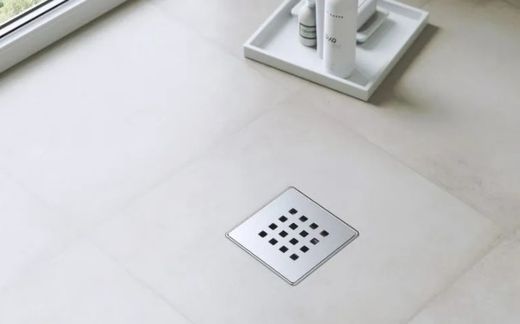
How to make a built-in shower tray
When undertaking remodeling works or removing the bathroom, a series of factors must be taken into consideration, including the decoration and the stylistic context that you want to give to this important area of the house. Something that is suggested difficult, many times is how to make a built-in shower tray.The screens you choose, the curtains or the doors for the shower that best suit imposed or omitted, they are only part of the design of a comfortable and warm bathroom. Great attention has been paid to this part of the house for many years and the changes in it are obvious. It is time to learn everything about bathrooms with built-in shower trays, the materials used for this, which one can be suggested best for different circumstances or spaces, in short, what are the benefits of this piece of a construction site of a habitable premises. Types of built-in shower trays If you have thought about reforming your bathtub for a built-in shower tray, it is important that you know the most sought-after types of it and the differences between one and the other. Built-in shower trays are better suited than bathtubs, allow greater mobility and are usually non-slip.
Differences between tiles and porcelain
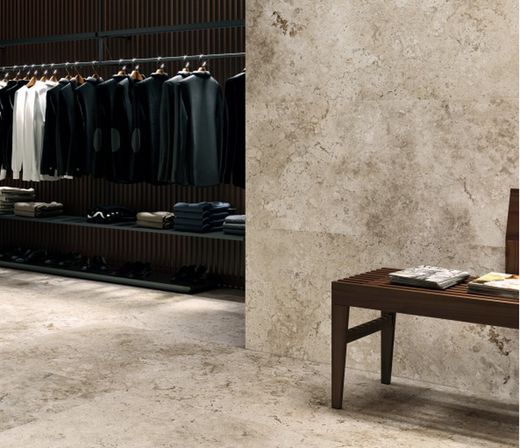
In this post we are going to explain the differences between a tile and a porcelain tile, where and how each of them should be used, their characteristics and average price.But We are also going to disprove other myths that exist in the construction sector such as:What is the difference between bathroom tiles and ceramic tiles? for kitchen? Why do we distinguish between indoor and outdoor floors? o How to lay a rectified tile without a joint.How a tile differs from a porcelain tile.Although many people believe that it is the same and many online searches are do with the term porcelain tiles, you must know the differences to know what use and resistance each one can provide.Ceramic is a very broad concept and we not only distinguish between tiles and porcelain. Rather, within the tile there are different possibilities such as rectified tiles or white-paste and red-paste tiles.On the other hand, within porcelain floors there are also rectified and non-rectified tiles , indoor flooring and outdoor porcelain stoneware, 20mm porcelain floors and many more.The tiles can only be used as wall covering. Moreover, it is only recommended to place it on interior walls, bathrooms or kitchens. In case of placing a tile as an exterior wall covering, you must make sure that the climate in the area is reasonably stable, with moderate temperatures and above all that frost is not expected during winter.On the other hand , the ceramic tile can only be used on the wall because it is not prepared to support the transit of people, furniture or machinery. And although it would not happen the first day, with the passage of time and with use it would be very likely that some tiles would begin to break.Porcelain stoneware, on the other hand, can be placed both on terrace floors and on house floors. Of course you can also use porcelain tile on the walls.Porcelain stoneware is still a much more resistant material than tile, withstanding both extreme temperatures and high traffic without suffering deterioration.< p>However, the resistance of porcelain tiles is often a double-edged sword. Since its hardness often makes it difficult to handle and cut. It is necessary to have professional and quality tools to place a porcelain floor tile, otherwise you will find it difficult to cut the pieces and it can even break where it should not.That is why it is not recommended to place porcelain tile on the bathroom wall. The tile is completely suitable for this use, and in this way we will facilitate the placement of the mason. Both for cutting the tiles and for drilling them to place bathroom accessories.
In which direction to lay imitation wood flooring
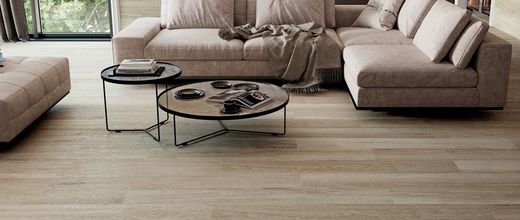
Wood-effect floors are today the most fashionable pavement. But after buying a wood-effect floor, almost all of us wonder in which direction we should lay it.Both laminate floors such as wood-effect porcelain stoneware, they are long tiles that imitate wooden planks, and this makes the types of placement of these much more extensive.A house has many addresses. It is rarely a diaphanous square in which we would not have doubts in which direction to place a wood-effect floor. Quite the contrary, the houses have corridors that make installation difficult and corners that break the harmony.Just as with the square tiles we have no doubts, the length of the imitation wood floor raises new doubts .But there is only one fundamental premise that governs the direction of the sheets. The starting point you should base yourself on is < b>the main light entrance to the house. This is usually in the living-dining room, but it could also be in the kitchen or in the double room.The direction of the imitation wood flooring must be parallel to the window or main light entrance that the house has, and not perpendicular.This type of placement offers much more harmony, since otherwise the light would highlight the separation joints that we leave between the tiles much more. There are other important tips for laying imitation wood floors, such as the tiles cannot be locked by more than 25% , that the cement must be distributed proportionally over the entire surface of the tile or that it is essential to leave a minimum joint between bricks.The image on the cover of the post is an example of which is the correct direction for laying a wood-effect floor
Natural stone as cladding and flooring in our house
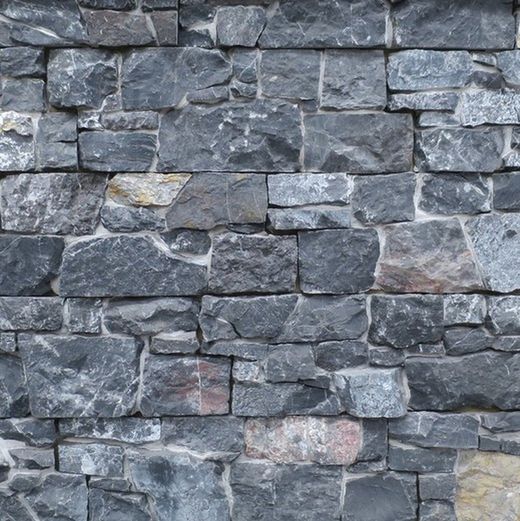
Natural stone is a material widely used in construction, rehabilitation and home decoration. It is such a versatile product that now is surely the most fashionable time for it. Its great advantages place it among the main options for those who are renovating their home.On the one hand, it is a high-quality product and, together with marble, it may be the most resistant natural product. A material that resists shock and friction, but also water and adverse weather conditions.This hardness is one of the factors that make it so versatile. But also its transformation capacity means that it can be used in different rooms and for different uses. The most common today are: as bathroom cladding, as built-in shower trays or as a terrace floor.Although without a doubt the natural stone where it is most often placed is in concrete walls. facades
Bathroom furniture suspended or with legs
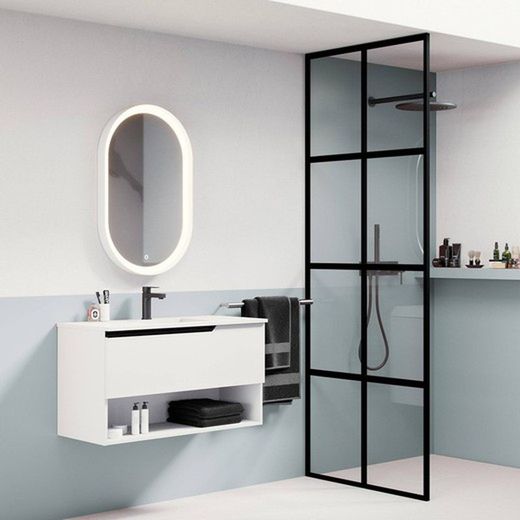
The decision to buy a suspended bathroom unit or with legs is not only aesthetic, we must also take into account other factors that are important. Although the trend in recent years led consumers to search for suspended bathroom furniture, this is changing and we'll tell you why.
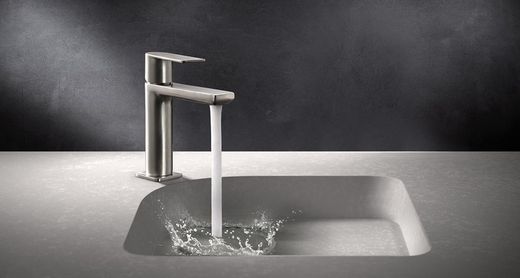
How to choose the faucet for your sink
The first thing we should take into account before buying a sink faucet is the type of furniture we have and whether the sink is built-in or over-counter. The furniture is one of the elements that mark the decoration of our bathroom, surely the most important after the bathroom tiles. That is why the sink faucet that we choose will be greatly influenced by the style of furniture.
Our customers trust us
Opinions of our clients
Receive our news